


Beginner's Guide to Collecting Mersey Ferry Memorabilia
Ferry memorabilia is one of the friendliest corners of Merseyside collecting. A timetable bought for the price of a coffee, a chipped cup from a terminal café, a postcard of a paddle steamer easing away from Woodside: none of it is grand, and that is exactly the appeal. It sits in a drawer, it costs very little, and it tells you something real about the river and the people who crossed it twice a day.
What separates a happy collector from a frustrated one is not money. It is knowing which era you are holding, being honest about condition, and having a rough idea of where the good stuff actually turns up. Here is how to begin without wasting your first year.
What Counts as Mersey Ferry Memorabilia
Almost anything made for, sold on, or used aboard a ferry counts, which is why the field is easier to enter than most. The categories that turn up most often are:
- Printed paper: timetables, handbills, cruise programmes, menus, fare tables, season tickets and luggage labels.
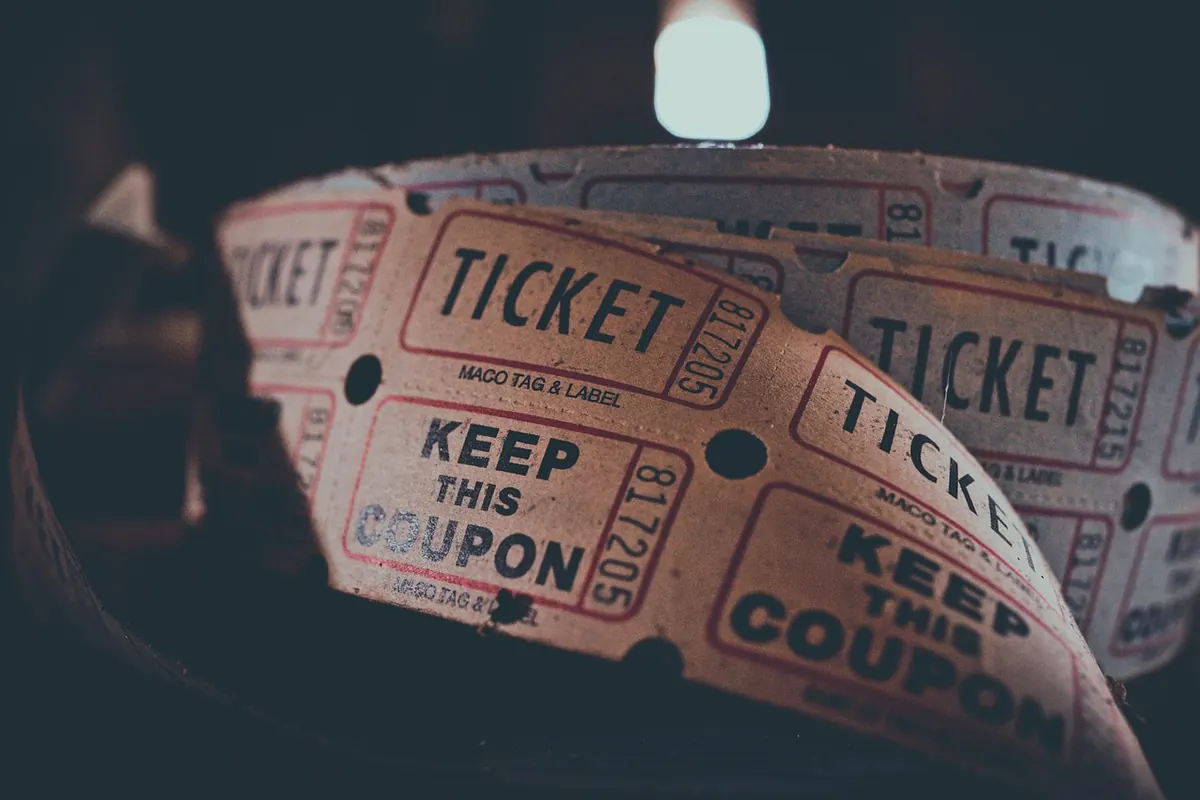
- Tickets: card tickets, punched strips, ferry tokens and pier admission slips.
- Postcards and photographs: real photographic cards of landing stages, steamers and crews, plus later colour views.
- China and crested ware: cups, saucers, jugs and small souvenir pieces carrying a place name or a coat of arms.
- Metal and enamel: badges, cap buttons, signs, ticket punches and the occasional model boat.
- Textiles and oddities: uniform items, blankets, glassware, cutlery stamped for onboard catering.
Most collectors end up narrowing to two or three of these. Paper is cheap and endlessly varied; china looks better on a shelf; badges and buttons are small enough to keep in a tin.
Reading the Eras
You do not need a reference library to place an item roughly in time. You need to look at four things, in this order.
The name on the item
Operator names are the quickest date stamp there is. Pieces from the separate Birkenhead and Wallasey corporation fleets read very differently from later material bearing the Mersey Ferries name and, after that, Merseytravel branding. Corporate identity changed hands only a few times, so a single word can move an item by decades.
How the paper was made
Paper is honest. Early twentieth-century cards were often printed in Germany, and many British seaside cards before the First World War carry that line on the back. Postcard backs also changed: if the back is reserved for the address only, the card is likely to be early; once a divided back appears, you are into the 1900s and beyond. Cheap wartime and post-war paper yellows and goes brittle faster than the heavier stock used for cruise programmes.
The boat, not just the picture
Paddle steamers, with their side wheels and tall funnels, dominate views before the 1930s. Motor vessels with cleaner lines and diesel exhausts point later. If a photograph shows a landing stage with cars queuing onto a vehicle ferry, you are in the twentieth century's middle decades, not its beginning.
Marks, makers and numbers
China often carries a maker's backstamp you can look up. Timetables frequently print a date, a season or a printer's name in tiny type at the foot of the last page. Punch holes in a card ticket are normal, not damage: conductors clipped them. Look for the small print before you look at the picture.
Judging Condition Before You Pay
Condition matters more than rarity at this end of the market, because most items are not rare at all. Run through the same checks every time:
- Foxing and toning: brown speckling on paper spreads and will not clean off.
- Tears and losses: a missing corner is a missing corner, however neatly it is described.
- Tape and glue: old repairs stain and shrink. Assume they will get worse, not better.
- Trimming: paper cut down to fit a frame loses its margins and much of its value.
- Crazing and rivets: hairline cracks in glaze are stable; metal staples or rivets through a broken cup mean a hard knock.
- Pitting and repainting: rusty metal can be stabilised, but a repainted badge has lost its original surface.
- Fading: keep an eye on blues and reds, which go first in sunlight.
Buy the item you are happy to own as it is. Restoration is a specialist job with a cost attached, and a home repair with household glue usually finishes the piece off.
If you would not be pleased to own it in its present state, leave it on the table. There is always another one.
Where to Find Ferry Items
Markets and car boots
Birkenhead Market and the Saturday car boots around Wirral and south Liverpool are the traditional hunting grounds. Arrive early, take cash, and look in the boxes under the table, not just on it. Dealers often keep paper in folders because it blows about in the wind, so ask what is in the wallet.
Shops, fairs and museums
Antique centres and charity shops in the Wirral and Liverpool suburbs produce steady small finds. Postcard and ephemera fairs in the North West are worth a trip: you will see more ferry paper in an hour than in a year of browsing. Museum shops at the waterfront sites are good for reference books and later souvenirs, which is a legitimate part of the story too.
Ask, and be remembered
Tell dealers what you collect. A short, specific request works better than a vague one: "Anything with a ferry timetable or a landing-stage postcard, I'm interested." Leave a note if the shop keeps one. Half of all good collections begin with someone behind a counter remembering a face.
Traps That Catch New Collectors
Watch for modern reproductions, especially of popular postcard views and crested china, which are printed or glazed to look older than they are. Be wary of the word Mersey on its own: it appears on railway, shipping and commercial material that has nothing to do with the ferries. And be careful with mixed lots, where one decent item is padded with twenty you will never look at again.
Storing What You Buy
Paper goes into acid-free sleeves and then into a box, flat, away from damp and direct sun. Keep photographs out of self-adhesive albums. Never use sticky tape. China should be dusted, not washed, and kept off window ledges. Metal prefers a dry room; a small sachet of silica gel in the tin helps. Write down what you paid and where you found it, either on a slip of paper tucked behind the item or in a notebook, and your collection becomes far more interesting in ten years.
A Simple Plan for Your First Year
Pick one lane: ferry paper, or china, or postcards, and stay in it for twelve months. Set a monthly ceiling and treat it as a fixed cost, the same way you would a magazine subscription. Buy the best condition you can afford rather than the largest quantity. Visit one fair and two markets a month, and keep a list of the gaps you are looking for so you do not come home with a fourth copy of the same timetable. If a piece turns out to be wrong for you, sell or swap it rather than storing it out of guilt.
Two last habits are worth building early. Photograph everything you buy, including the back, so you have a record if a piece is damaged or loaned out. And talk to other collectors at fairs and in local history groups; they will tell you which landing stages, which boats and which decades are genuinely hard to find, and that knowledge will serve you better than any purchase you make this year.
Photo: igorovsyannykov / Pixabay