
Checklist for Storing Vintage Postcards from Merseyside
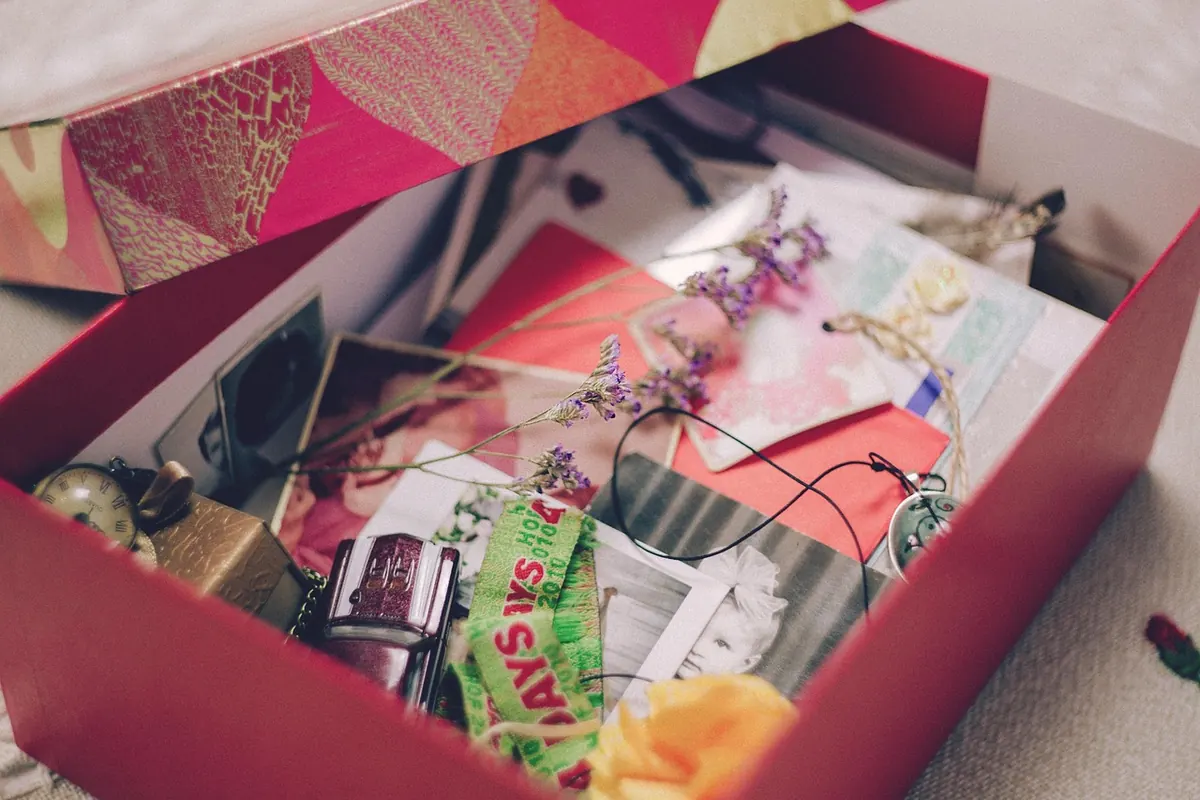
Somewhere in a Merseyside loft there is a bundle of postcards tied with string: the Pier Head with the Overhead Railway running behind it, a ferry mid-river, New Brighton Tower before it came down, a Southport tram on a wet afternoon. The images are already irreplaceable. What happens to them next comes down to four ordinary decisions — the sleeve, the box, the room, and the label.
Sleeves: the first line of defence
Most British postcards from the 1900s through to the 1970s measure roughly 140 x 90 mm, so a sleeve of 145 x 95 mm or 150 x 100 mm will hold one without bending it. Go larger for oversize cards, real photographic postcards and anything with a deckle edge.
Material matters more than price. Polyester sleeves, sold under names like Melinex and Mylar, are chemically inert and stay clear for decades. Polyethylene and polypropylene are cheaper and perfectly reasonable for a working collection. What you want to avoid is PVC — the soft, slightly sticky clear plastic of old photo albums. Plasticisers migrate out of it over the years, and a card can end up welded to the sleeve.
Buy sleeves described as archival or photo-safe, and check that they are not the self-adhesive kind. Adhesive on a postcard is a slow problem.
Handling before anything goes in a sleeve
- Work on a clean, dry table — not the kitchen counter, not next to a kettle.
- Clean, dry hands give better control than gloves for most cards. Thin cotton gloves are worth wearing for albumen prints, fragile surfaces, or if your hands are naturally oily.
- Hold a card by the edges only. A thumbprint pressed into a 1910 emulsion does not come out.
- Note the condition before storing: creases, corner loss, foxing, missing stamp, writing on the reverse, trimmed edges.
One card per sleeve is the safe default, unless you are keeping a genuine set together. Slide the card in so the sleeve opening faces away from you once it sits in the box or album page; that way dust settles on plastic rather than paper.
Boxes and the flat-storage rule
Postcards want to lie flat. Stored upright and leaning, they bow, and a bowed card eventually creases where it leaves the pile. A shallow archival box — lignin-free and acid-free, sold for photographic storage — is the simplest answer, and one box per place or subject keeps things findable.
- Keep stacks shallow. Twenty-five to forty cards between dividers is plenty.
- Use acid-free card dividers rather than rubber bands, paper clips or elastic. Rubber perishes and leaves a brown stain that cannot be removed.
- Fit should be snug, not pressed. Cards that rub against each other abrade at the corners and along the top edge.
- Skip shoeboxes, metal tins and carrier bags. Ordinary cardboard is acidic, and a sealed bag traps damp air against the paper.
If you prefer albums, use archival pages with no adhesive, and keep the album standing vertically on a shelf rather than stacked under other books.
Humidity, heat and light
Paper is happiest somewhere around 40 to 55 per cent relative humidity, and steadier is better than perfect. Merseyside's damp air and old housing stock make this the section worth reading twice. Wide swings do more damage than a slightly high, stable figure: the paper swells and shrinks, the emulsion cockles, and the card becomes brittle at the edges.
A few practical rules for a local collection:
- Keep boxes out of cellars, basements and ground-floor cupboards against outside walls.
- Avoid lofts. Summer heat bakes card and speeds up fading.
- Keep away from kitchens, bathrooms, radiators, boilers and windows that catch afternoon sun.
- Put a sachet of rechargeable silica gel in each box and dry it out every few months.
- Keep light low. Ultraviolet fades inks and dyes, and it does so slowly enough that you notice too late.
Watch for a musty smell, mottled brown spots or a grey fuzz. If mould appears, isolate the affected cards and keep the room dry while you decide what to do. Mould spores can irritate lungs and eyes, so handle suspect material carefully and get advice from a paper conservator or a local archive before attempting to clean anything. Household cleaners, bleach or damp cloths will do far more harm than good.
Labelling that survives without damaging the card
The rule is easy to remember: label the sleeve, not the card. Write the details on a slip of acid-free paper and slot it behind the postcard inside the sleeve, or write on the sleeve itself only in the margin, well clear of the card.
When you must write on the reverse, use a soft graphite pencil and keep the note small, light and in one corner. Pencil is reversible. Ballpoint, felt tip, marker and rubber stamps are not, and ink can bleed through to the image side.
- Give each card a reference: for example LIV-PH-001 for Liverpool Pier Head, BIR-001 for Birkenhead.
- Record the place, street or landmark, publisher, and any date printed or postmarked.
- Add condition notes and where it came from — a fair, a house clearance, a swap with another collector.
- Keep a key in a notebook or spreadsheet so the codes stay meaningful in five years' time.
Consistency matters far more than the system you choose. A scheme you actually keep up beats an elegant one you abandon after a fortnight.
Sorting, cataloguing and the digital copy
Sort by place first — Liverpool, Birkenhead, Bootle, Crosby, Southport, New Brighton, the rest of Wirral — then by subject: waterfront, ferries, trams, football grounds, shops, schools, churches, street scenes. Publisher and date can come last; Valentine's, Tuck and the local firms will separate themselves once the geography is in order.
A digital copy is worth the effort for anything you handle regularly. Scan at around 600 dpi, higher for small lettering, and save as a high-quality JPEG or TIFF. Store the files in two places, such as an external drive and cloud storage, and name them to match your reference codes. The scans are for study and sharing; they do not replace the originals, and they will not rescue a card that has been stored badly.
A short routine that keeps everything in order
Once a month, open the boxes and check for damp, mustiness or mould, and recharge the silica gel. Once a year, review the inventory, re-sleeve anything you have handled a lot, and make sure the boxes are still off the floor and away from heat. Keep the collection in an interior room with a steady temperature, and handle it in short sessions with clean hands.
If you inherit a large or valuable collection, or you are unsure about a damaged real photographic card, ask a paper conservator or your local archive for advice before doing anything irreversible. Most of the care described here costs very little. It is simply a matter of doing the small things early, so the Pier Head in 1912 is still there for whoever opens the box next.
Photo: freestocks-photos / Pixabay