

How to Start Wild Swimming Safely in the Mersey Estuary
You can see the Mersey from dozens of places across Merseyside, but seeing it and swimming in it are two different things. The estuary empties and refills twice a day, drains to expose kilometres of mud, and floods back with a current that catches out people who have only ever swum in a pool or a still lake. None of that is a reason to stay out. Thousands of people swim in these waters, and the river is in far better shape than it was a generation ago. It is a reason to learn how it behaves first.
What follows is the practical side: when to go, what the tide does, where access is genuinely awkward, and why a buddy is not optional.
Read the Water Before You Swim It
The Mersey has one of the largest tidal ranges of any estuary in the UK. At Liverpool the gap between high and low water runs to several metres, and more on the biggest spring tides. In practice that means ground which is dry sand at two in the afternoon can be under water by four, and the flood arrives quietly across the flats rather than as a breaking wave you can see coming.
Swim the slack, not the flow
Current is weakest around high and low water and strongest in between. Almost every experienced estuary swimmer builds a session around high water, arriving early and getting changed without rushing. Check a tide table the night before, not on the prom while you're pulling a wetsuit on. A strong onshore wind can push water in faster than the table suggests, so look at the wind forecast too.
Treat spring tides with respect
Spring tides mean more water moving faster, and more of the mud covered. If you're new to this, pick a neap tide. On the largest spring tides a bore wave can run up the narrow upper estuary near Warrington and Runcorn. That is a spectacle to watch from the bank, not from the water.
Brown water is opaque water
The Mersey carries a heavy load of suspended silt. Colour is not the issue; visibility is. You will not see your own feet, which rules out diving, underwater strokes and any attempt to spot a hand at arm's length. Keep sessions heads-up, stay in a group, and swim where you can see the bottom is at least close by.
Mud, Channels and What's Under Your Feet
The estuary drains to reveal banks that look firm and aren't. Estuarine silt is soft, deep and can grip a boot or a leg. Never walk out across exposed flats to reach the deeper water or to test the bottom. If you cannot see the ground under your feet, you should not be standing on it.
Channels move. A gap in the bank that was waist deep last month may be shoulder deep now, and the edge of a mudbank can shelve sharply within a step. That is one more reason to swim parallel to the shore and keep a known exit in sight rather than striking out across open water.
Be careful around old slipways and outfalls, where broken concrete and weed-covered rock sit just below the surface. Clean any cuts properly once you're out, cover open wounds before you swim, and be aware that leptospirosis (Weil's disease) exists in water contaminated by rat urine. If you develop flu-like symptoms in the weeks after a swim, mention the estuary to your doctor.
Access: What's Allowed and What Isn't
Most of the Mersey estuary is not a bathing beach. Long stretches are a working waterway: shipping channels, ferry routes, jetties, moorings and port infrastructure. The Manchester Ship Canal is a separate commercial waterway and not a swimming venue. There is no lifeguard cover on the estuary at all.
That leaves a patchwork of council foreshore, private land and informal local spots. Rather than heading for somewhere you've seen in a photo, work through this:
- Find out who manages or owns the foreshore and whether swimming is permitted.
- Look for bylaw notices, harbour notices and signs at the access point. Read them.
- Ask a local open water swimming group where they swim and, more usefully, where they don't.
- Avoid anywhere near moving commercial traffic, ferry terminals, marinas, moorings or working slipways.
- Treat a slipway as infrastructure, not as an invitation.
- Recce the spot on foot at the state of tide you plan to swim, days in advance, and identify two exits.
Cold Shock Is the First Thing You'll Meet
Coastal water in the North West stays cold for most of the year. Cold water shock is an automatic response: a sharp gasp, breathing you can't control, a racing heart. It is the stage at which people get into trouble, and it happens in seconds.
The response is simple and worth rehearsing. Float first. Roll onto your back, keep your head up, and let the gasp settle for a minute before you go anywhere. Don't put your face in until your breathing is even, and don't strike out hard on the first minute. Turning up already calm, fed and warm helps more than any piece of kit.
The cold follows you out. Afterdrop means you keep cooling after you leave the water, so get dry, dress from the top down, put a hat on, and have a warm drink in a flask. Alcohol before or after is a bad idea: it speeds heat loss and blunts your judgement. Uncontrollable shivering, slurred speech or fumbling hands mean the session is over and you need to get warm and get help if it doesn't settle.
If your confidence and the tide table disagree, believe the tide table.
If you have a heart condition, poorly controlled asthma, epilepsy, or you're pregnant, speak to your GP before you start cold
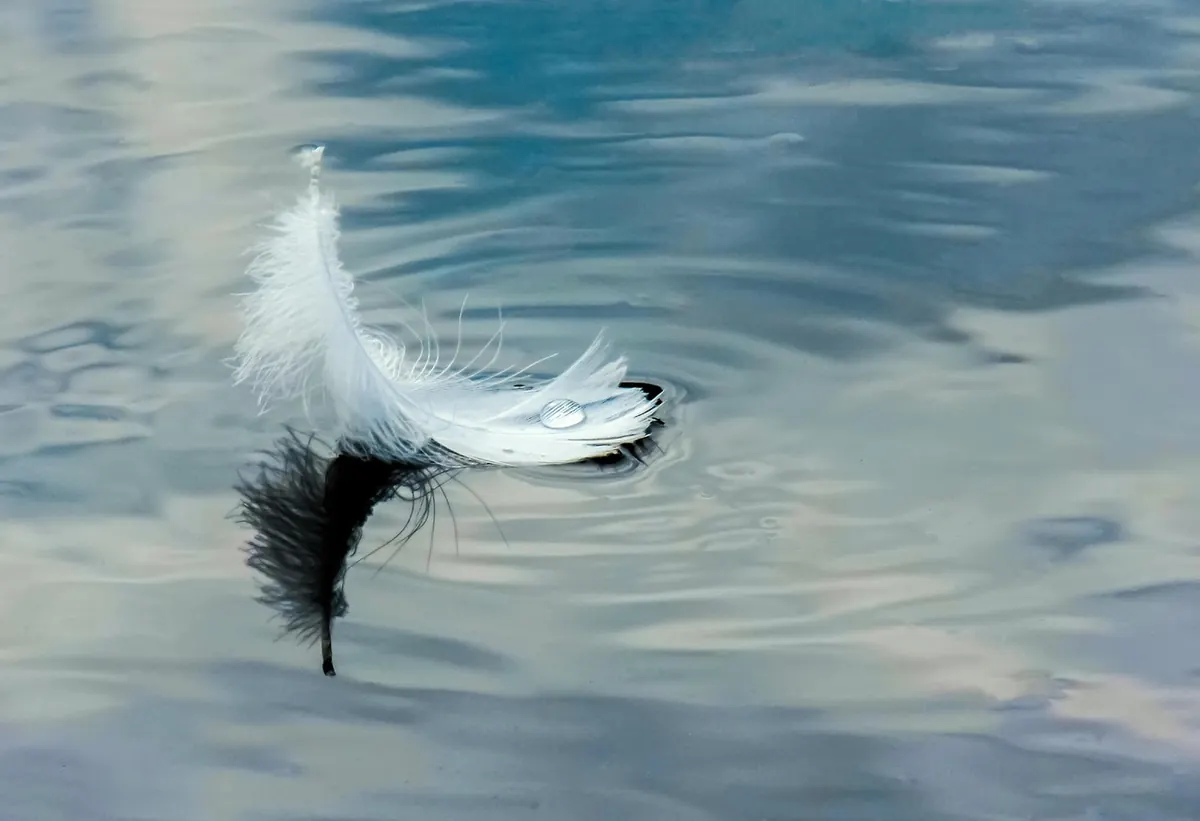
Photo: InWay / Pixabay