



Common Mistakes New Parkrunners Make on Merseyside Courses
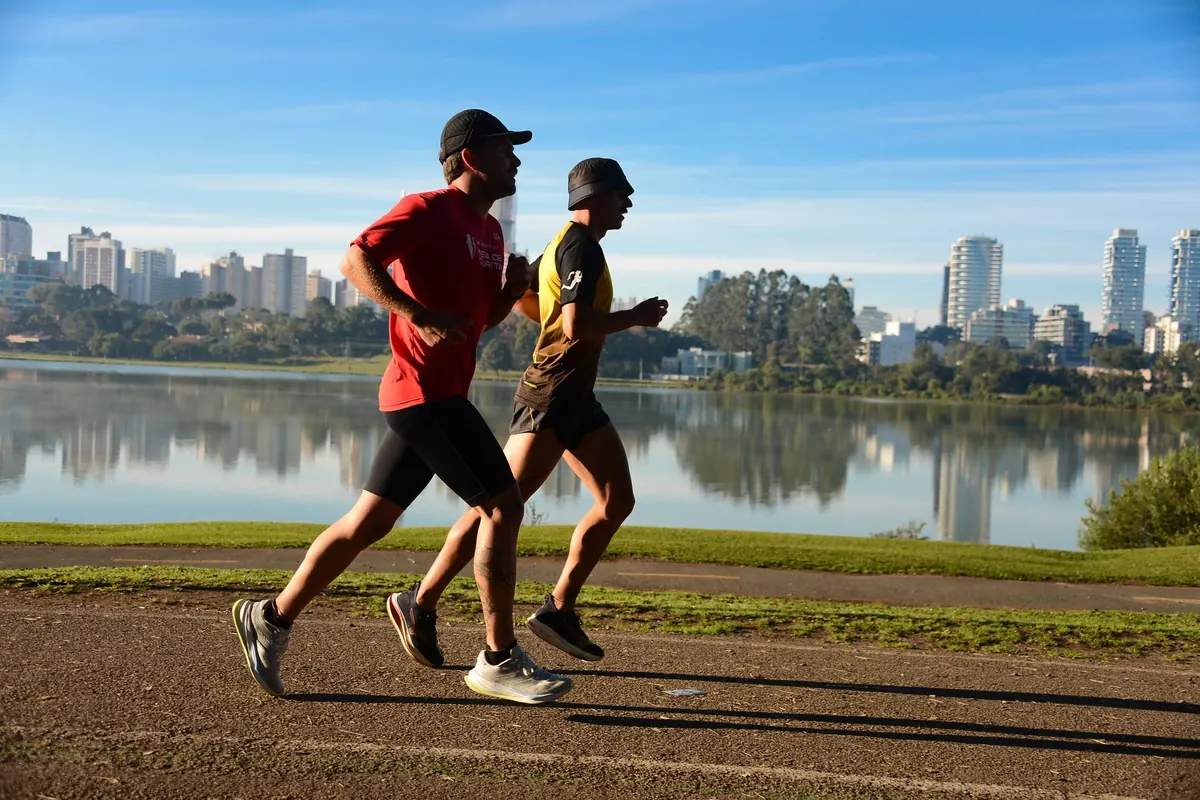
Your first parkrun is not a race, and almost everyone standing on the start line knows it. The problem is that the first kilometre does not feel like a race either. It feels like a pleasant jog in a crowd, right up until the moment it does not, and you find yourself two miles in, breathing hard, watching people you passed early on drift away from you.
Merseyside has a good spread of courses. There are flat, exposed promenades along the river and the coast, parkland loops that mix tarmac with grass, and a handful of paths that turn properly slippery between November and March. The mistakes first-timers make are remarkably similar across all of them, and most are easy to avoid once you know what is coming.
Setting Off Too Fast Because Everyone Else Is
A parkrun start is congested. A few hundred people funnel onto a path that was built for a fraction of that number, and the first few hundred metres are slow simply because there is nowhere to go. Then the field spreads out, the path opens, and suddenly you are running faster than you intended with no real sense of how hard you are working.
The result is predictable. A first kilometre that feels comfortable but is 40 seconds quicker than your usual pace, a second kilometre that still feels fine, and a third kilometre where the wheels come off. On a flat promenade course this is almost invisible, because there is nothing to slow you down and no landmarks to measure yourself against.
A few things help more than a watch:
- Start further back than you think you should. You lose a few seconds at the start and gain far more later. Nobody remembers your first kilometre.
- Use the talk test. If you cannot say a short sentence out loud without gasping, ease off. It is a blunt instrument, but it works.
- Pick landmarks, not pace. "Easy to the second bench, steady to the gate" is easier to judge than a number on your wrist when you are excited.
- Hold something back for the last kilometre. Finishing strongly feels far better than hanging on, and it is what brings you back the following Saturday.
Wearing the Wrong Shoes for the Surface
Footwear is the single most common avoidable problem. The two extremes catch people out in opposite ways.
Road shoes on wet grass are treacherous. Parkland courses around Liverpool and Wirral often have grass sections and muddy edges in winter, and a smooth, worn road sole will slide on a corner or a slight camber. You will not necessarily fall, but you will waste energy fighting for grip and your calves will feel it the next day.
Trail shoes on tarmac are the reverse. A promenade course, or a park course that is almost entirely on paths, does not need aggressive lugs. They make the run feel heavier than it is and can be unforgiving over five kilometres of hard surface.
For most Merseyside courses, a comfortable road shoe with a bit of tread, or a light trail shoe, covers everything. Beyond the shoe itself:
- Avoid cotton socks. They hold water and rub, which is how blisters start.
- Do not debut a brand-new pair on parkrun day. Wear them on a short run first.
- Double-knot your laces. Stopping to retie them mid-run is a small thing that ruins a good rhythm.
- In winter, accept that your shoes will get muddy and rinse them afterwards rather than letting the mud dry hard.
Ignoring the Course Description and First-Timers Briefing
Every parkrun has a course page describing the route, the number of laps and the terrain, and every event holds a briefing for newcomers before the start. Both take two minutes and save a lot of confusion.
It matters because courses differ more than people expect. Some are one lap, some are two, some are three. Some start and finish in the same place; others finish several hundred metres from where you left your bag. A course that looks simple on a map can have a sharp turn hidden behind a hedge or a path junction where the field splits.
If you are unsure, do three things: read the course page the night before, listen to the first-timers briefing rather than chatting through it, and introduce yourself to a volunteer. Run directors and marshals would much rather answer a question beforehand than watch you run the wrong way.
Route-Specific Pitfalls Worth Knowing
Laps and junctions
Multi-lap courses catch out newcomers in two ways: stopping early at what looks like the finish, and cutting a corner on the second lap because you were following the person in front. Follow the marshal's instructions and the marked route, not the runner ahead of you.
Corners, roots and cobbles
Park paths are not race tracks. Tree roots lift tarmac, kerbs appear at awkward angles, and a damp corner can be slick. Take the tight line slowly rather than braking hard halfway through it.
Wind on the waterfront
Promenade courses are flat, which makes them fast, and exposed, which makes them honest. A headwind on the way out means a tailwind on the way back. Do not fight it. Shorten your stride, tuck behind another runner if it is safe to do so, and accept that your pace will drop — the effort is what matters, not the number.
Sharing the space
These are public parks and promenades. Dog walkers, cyclists, families and skateboarders are all entitled to be there. Overtake with a clear word, keep left where the course asks you to, and give way when needed. A friendly "runner coming through" works better than a sigh.
Fumbling the Finish: Funneks, Tokens and Barcodes
The finish funnel confuses almost everyone the first time. Here is the short version: cross the line, keep moving through the funnel, stay in order, take a token at the end, then get both your personal barcode and the token scanned. Do not take the token home, and do not hand it to someone else in the queue.
Bring your barcode printed or saved on your phone, arrive ten to fifteen minutes early so you are not sprinting from the car, and park considerately — a blocked driveway is the fastest way to sour a relationship with a park you rely on every week.
A Simple Plan for Your First Merseyside Parkrun
- Check the course page for laps, terrain and the start location.
- Wear shoes suited to the surface and a pair of synthetic socks.
- Arrive early, listen to the first-timers briefing, and ask about anything unclear.
- Start at the back, run the first kilometre easier than feels natural, and build from there.
- Keep your barcode handy and your token safe through the funnel.
- Stay for a coffee or a chat afterwards. The social side is why most people come back.
One last thing worth saying plainly: parkrun is a run, not a medical check-up. If you are new to exercise, returning from injury, pregnant, or managing a heart or lung condition, speak to a GP or physiotherapist before you start. There is no shame in walk-running your first few events either — the tail walker is there for exactly that, and finishing is the whole point.
Photo: Daigoro Folz / Pexels